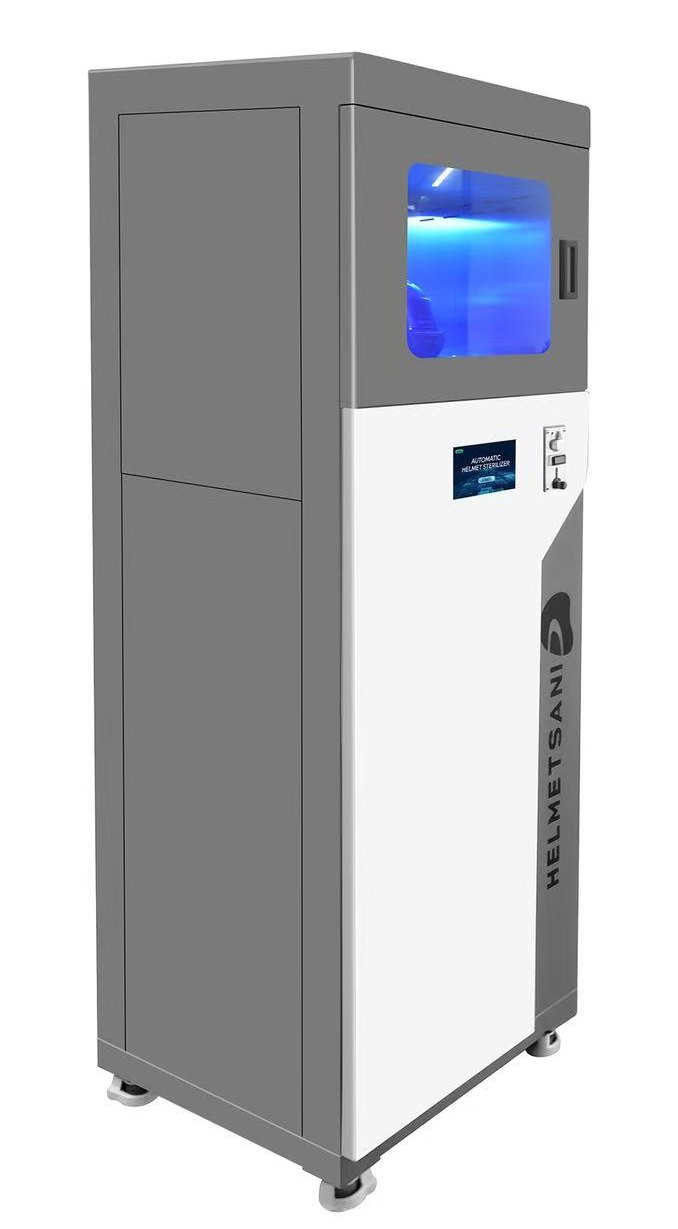
Max03
Single chamber. One helmet every 3 minutes.
- Size60 × 60 × 183 cm
- Operating power2,000 W
- Chamber304 stainless steel
- Body1.5 mm galvanized steel
- Packed weight123 kg
US$1,443reference price, volume pricing available
Smart Helmet Cleaning & Disinfection Machine
Riders drop a helmet in, pay and ride on with it clean, fresh and dry. You earn on every helmet, around the clock, with no staff on site.
HelmetSani designs and builds the HelmetSani Smart Helmet Cleaning & Disinfection Machine in its own factory in China. We are a manufacturer, not a trading company: the machines are engineered, assembled and tested by our own team and sold factory-direct to distributors and operators across Southeast Asia, Latin America, Africa and Europe. Each machine atomizes cleaning liquid, disinfects with UV-C and ozone, and dries a helmet with hot air in 3 minutes.
Drop the helmet in, tap to pay and step back. Three minutes later the door opens on a helmet that is clean, fresh and dry, ready for the next ride.
Helmet cleaning machines can look alike from the outside. These are the three places where the build is different.
| HelmetSani | Typical Alternative | |
|---|---|---|
| Material | 304 stainless steel chamber, 1.5 mm galvanized steel bodyResists the moisture and cleaning liquid it meets every day. | Carbon steel, 1.0 to 1.2 mm thick |
| UV Disinfection | Industrial-grade UV-C lampsBuilt for continuous commercial duty inside a sealed chamber. | Ordinary UV lamps with weaker output |
| Drying | 2,000 W hot-air dryingThe helmet comes out dry and ready to wear after three minutes. | Lower drying power, helmets can stay damp |
Comparison with machines commonly offered in this category, based on HelmetSani's own review of the market. Specifications of other products vary.
Three minutes fits into a fuel stop or a delivery pickup, so riders come back to it.
Every machine is covered for two years, with covered spare parts supplied free.
HelmetSani Cloud manages machines, partners and payouts across countries from one place.
The HelmetSani Smart Helmet Cleaning & Disinfection Machine comes in three versions. Every one runs the same 3-minute cycle and accepts the same payment options. Voltage, language, payment hardware and branding are set up for your market before shipping.
Single chamber. One helmet every 3 minutes.
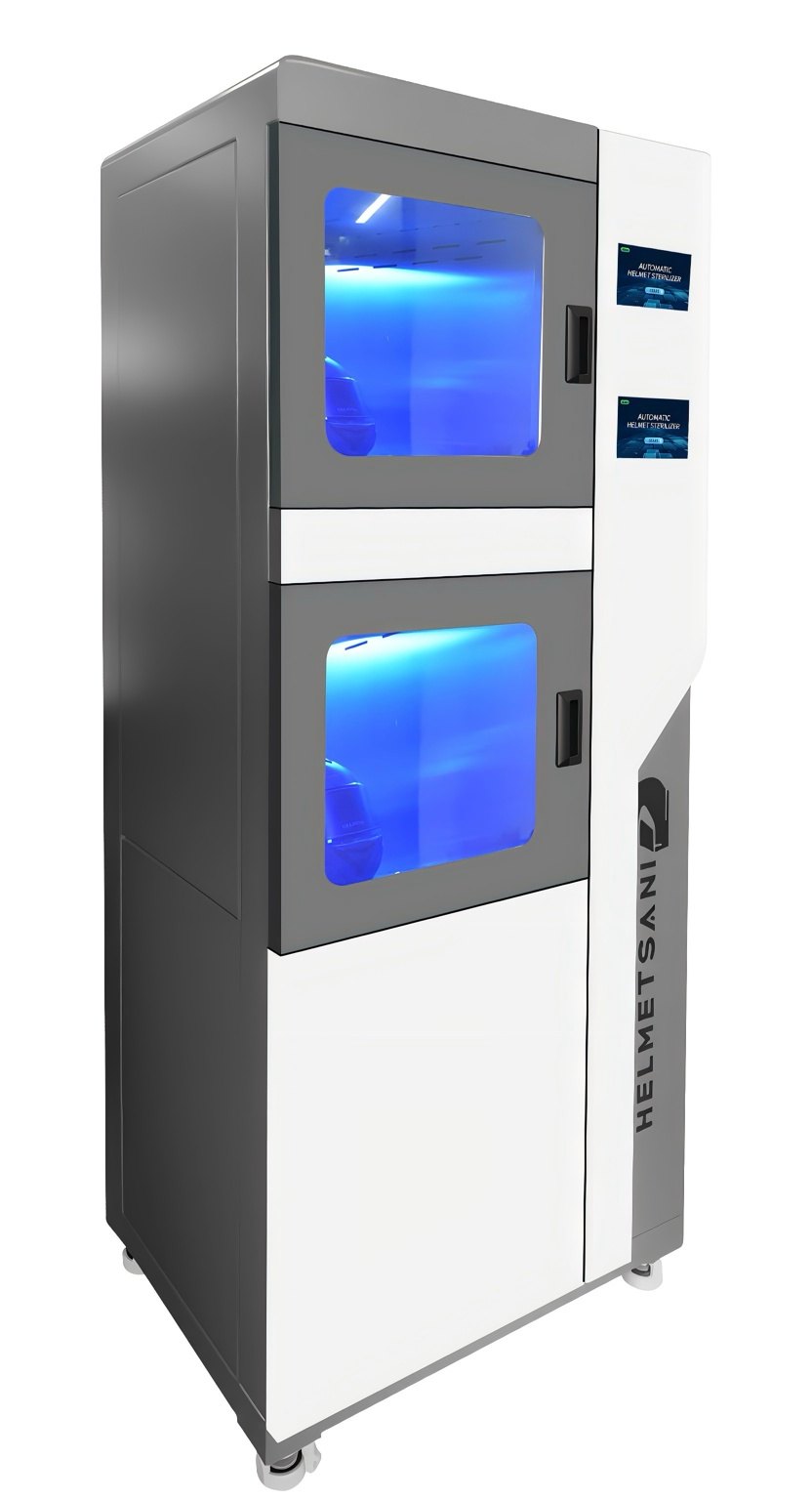
Dual chamber. Two helmets every 3 minutes.
A 21.5-inch touchscreen that shows riders each stage as it happens.
Reference prices are per unit and exclude the payment system, freight, insurance, import duties and local taxes. Better pricing is available for volume orders: tell us your quantity.
Enter the numbers for your own location. The result updates as you type, and nothing is sent anywhere.
Cumulative position, month 1 to 12. Bars turn green once the machine has paid for itself.
This calculator is an illustration, not a forecast or a guarantee. Real results depend on your location, footfall, service price, electricity, rent, payment fees, maintenance, shipping and taxes. The default cost per cleaning of US$0.05 is HelmetSani's internal estimate for liquid and electricity.
A Max03 stands on 60 × 60 cm. It fits beside a counter, a fuel pump or a shop entrance.
Riders serve themselves. The operator refills cleaning liquid and wipes the chamber every few days.
Five litres of cleaning liquid, about US$5, covers roughly 600 helmets on current reference figures.
Service prices are yours to decide for your market, and can be changed as demand becomes clear.
Coin and banknote configurations need only a power socket. Card and QR payments use a 4G connection.
The machine is built for continuous commercial use and earns whenever the site is open.
HelmetSani Cloud connects each machine to a global management backend, so a network of any size can be run from a browser.
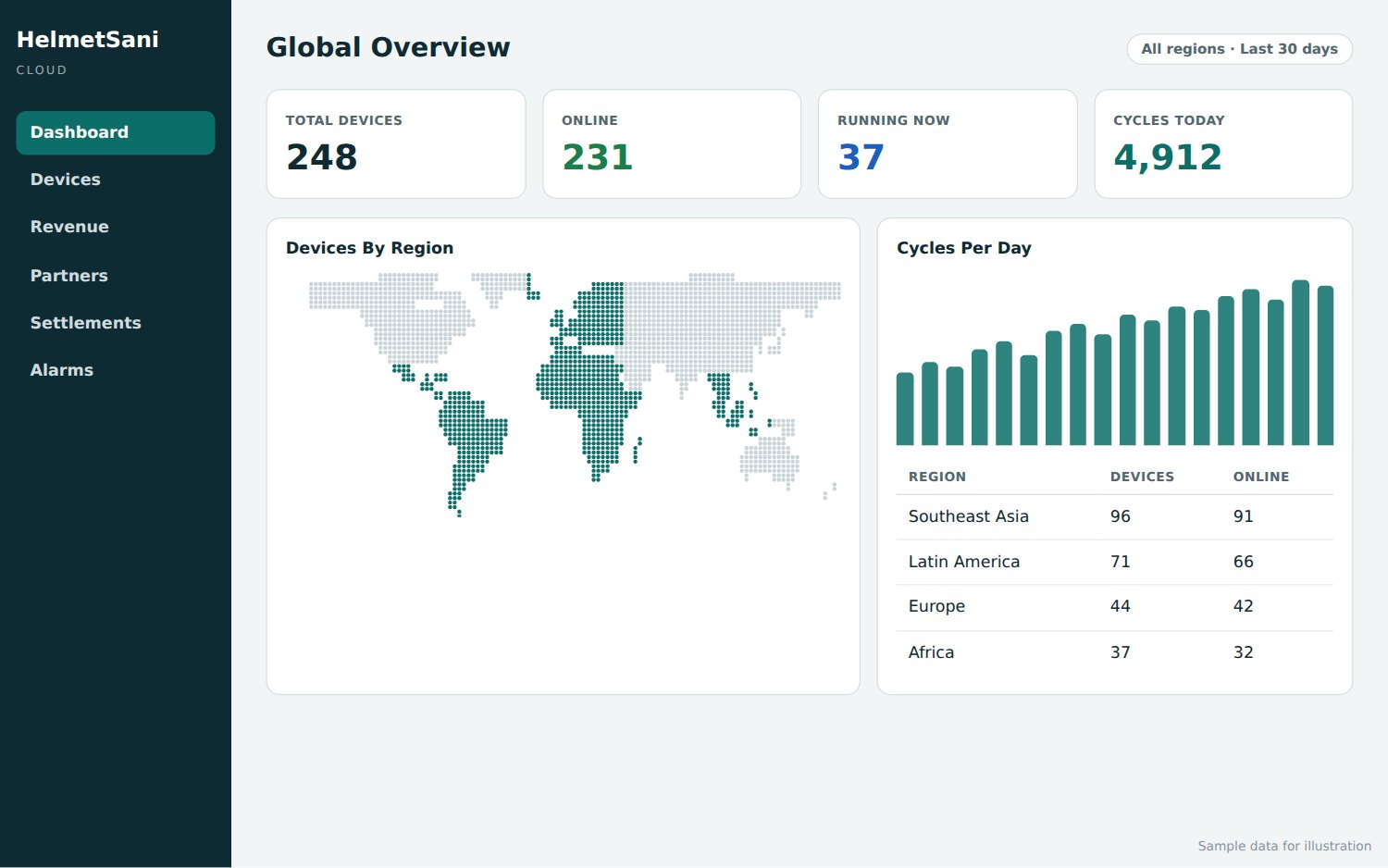
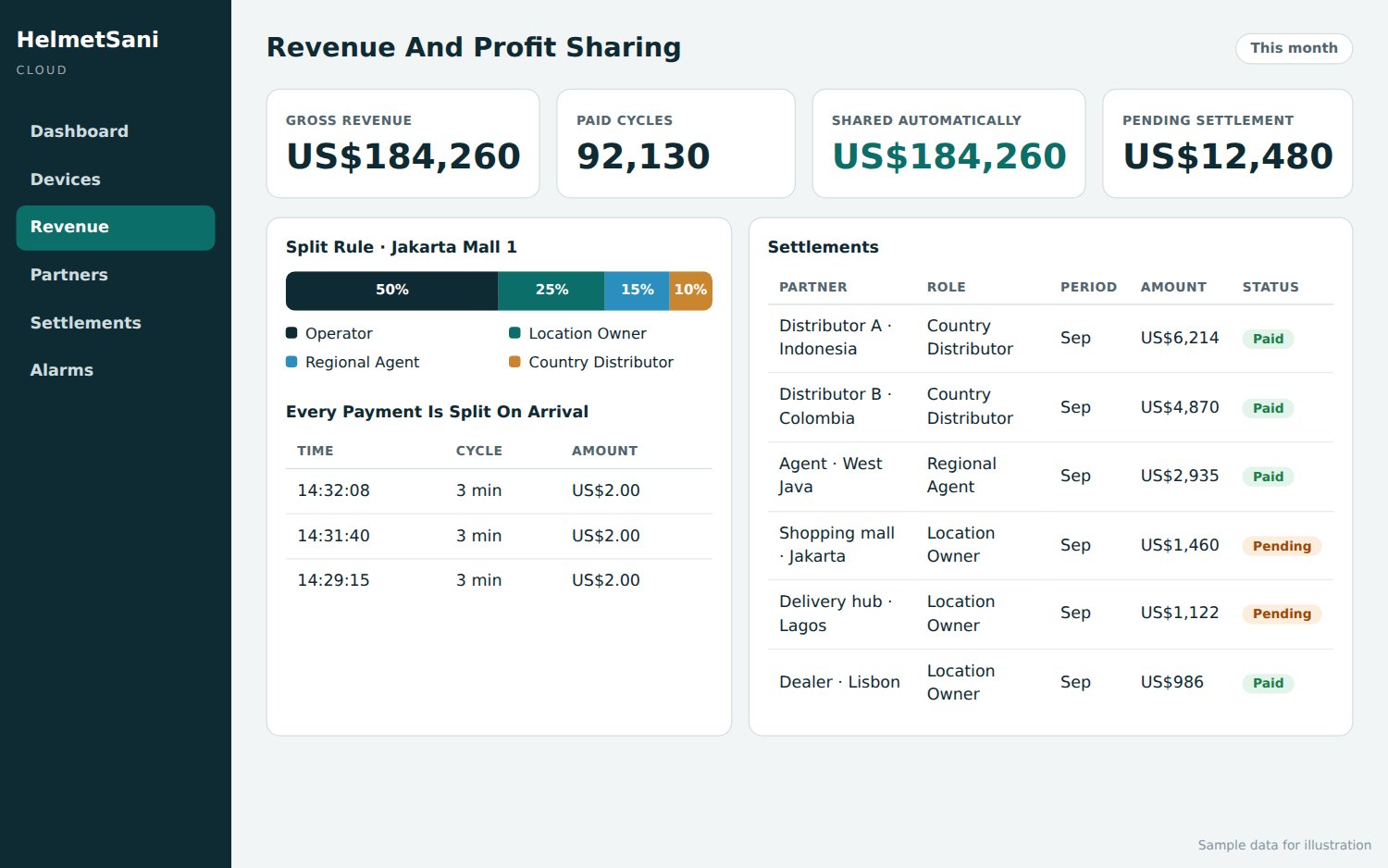
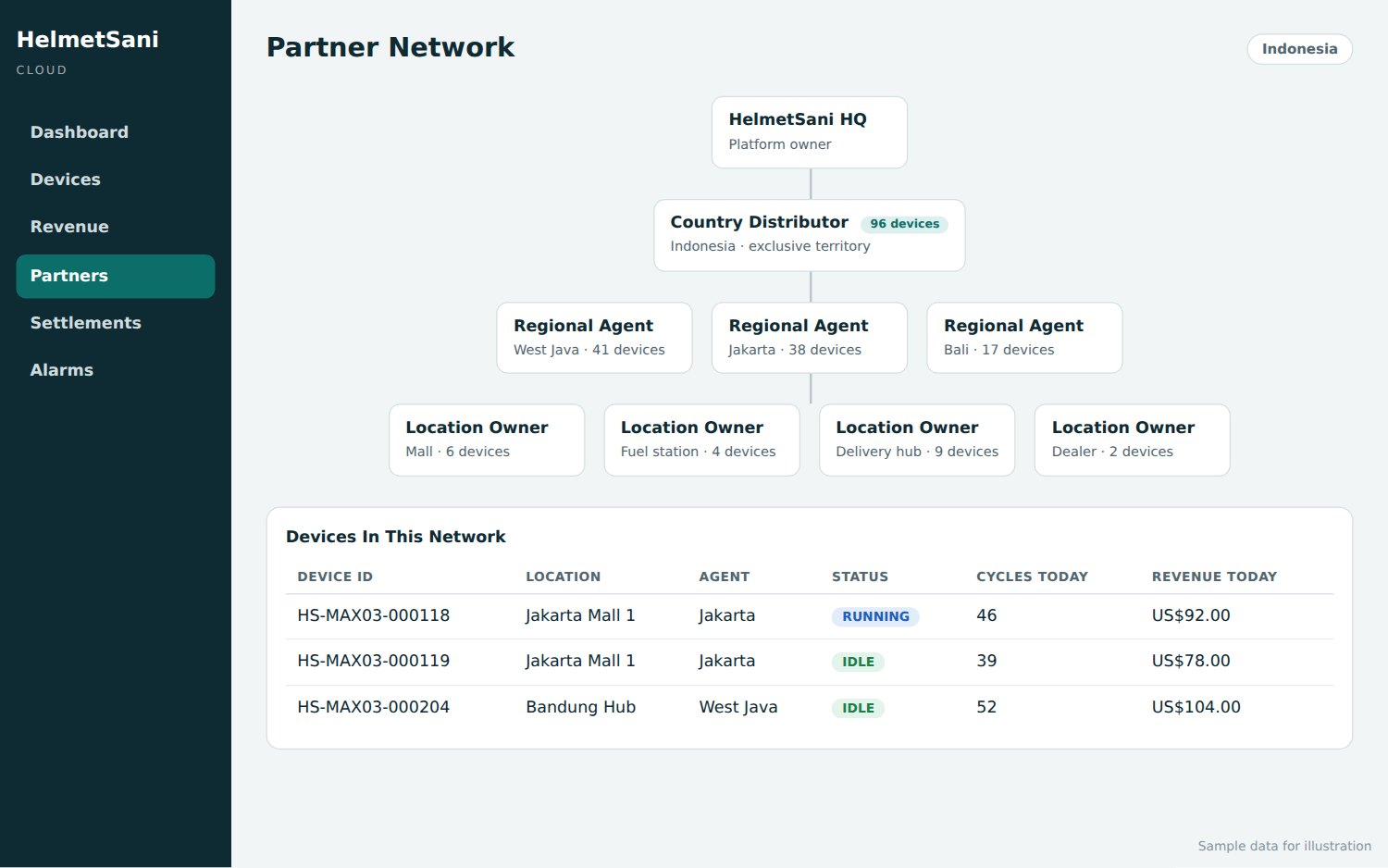
Interface preview with sample data.
See every machine by country, city and site: online, running, idle or in need of attention.
Cycles, payments and income per machine, per location and per partner, as they happen.
Change service prices and cycle parameters from the backend, without visiting the site.
Machine status and fault information reach the operator before a customer has to report it.
Distributors and operators manage their whole network, each seeing only their own territory.
Cleaning runs locally. If the connection drops, the machine keeps working and reports later.
A clear structure for everyone who takes part, with each payment divided by the platform according to the agreed rule.
Manufacturing, platform, training and technical support.
Builds the national network and supports local partners.
Finds sites, places machines and looks after them.
Hosts the machine and shares in what it earns.
Set the split for each location once. Every payment is then divided between operator, site owner, agent and distributor, with settlements tracked in the backend.
Territories, partner levels and purchase terms are defined up front, so each partner knows their market and their share.
Beyond the cleaning fee, a machine gives riders a reason to stop, sets a venue apart from the one next door and shows that it cares about hygiene.
HelmetSani machines have been shipped to customers across Southeast Asia, Latin America, Africa and Europe.
Any place that sees helmets every day can offer the service, as a paid extra or as a reason for riders to choose that place.
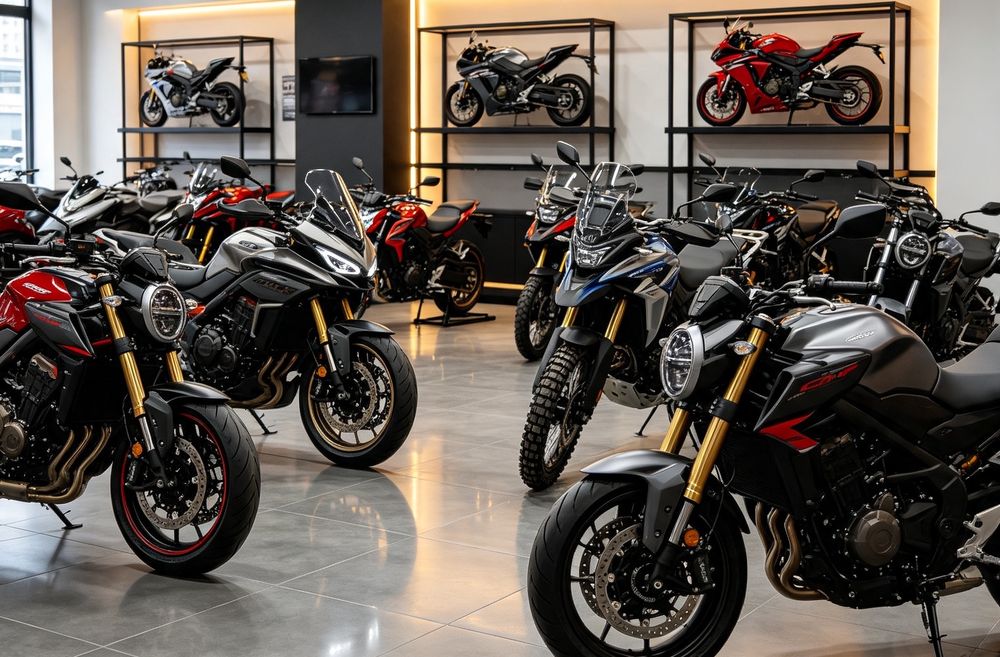 Motorcycle Shops
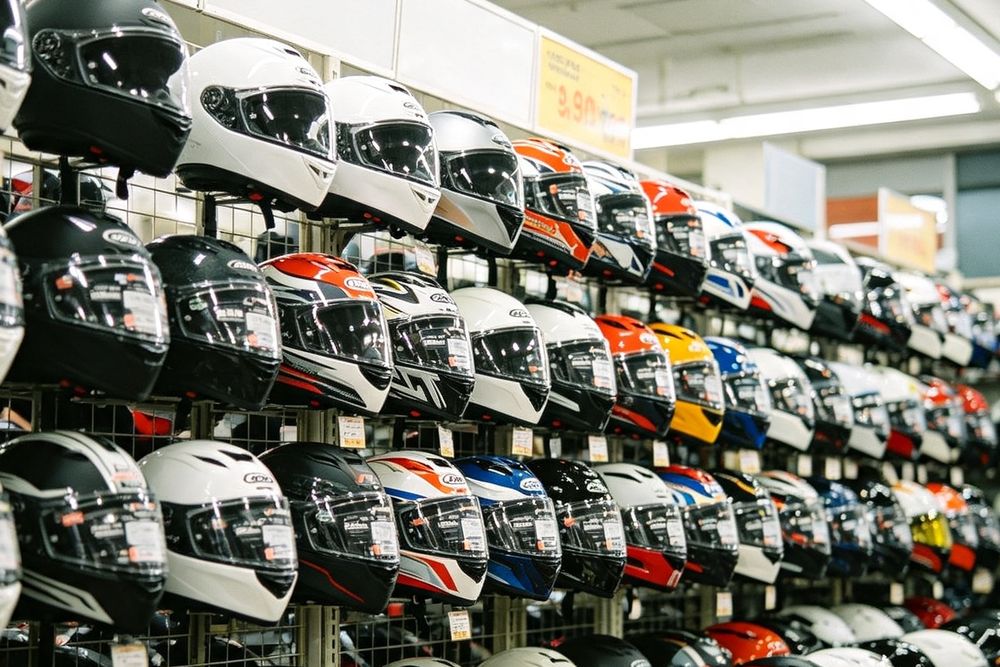 Helmet Shops
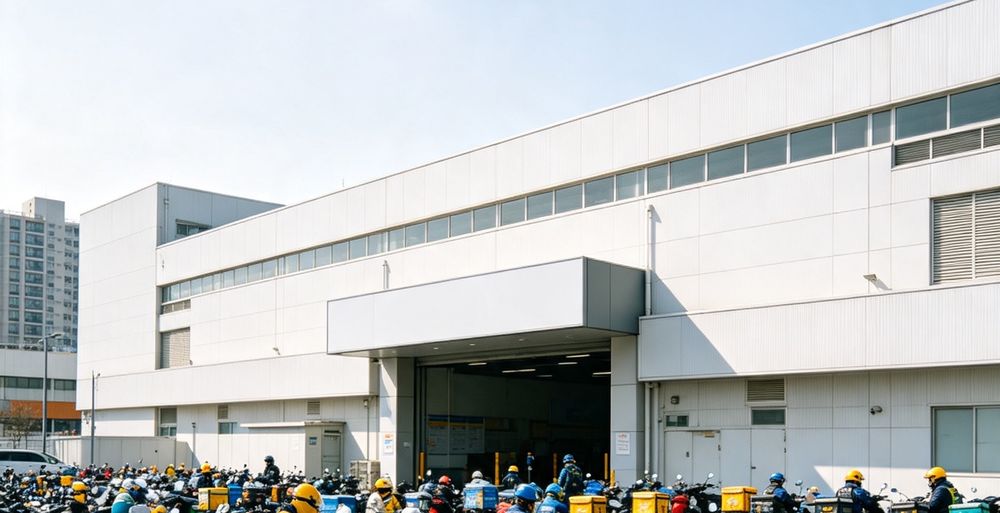 Delivery Hubs
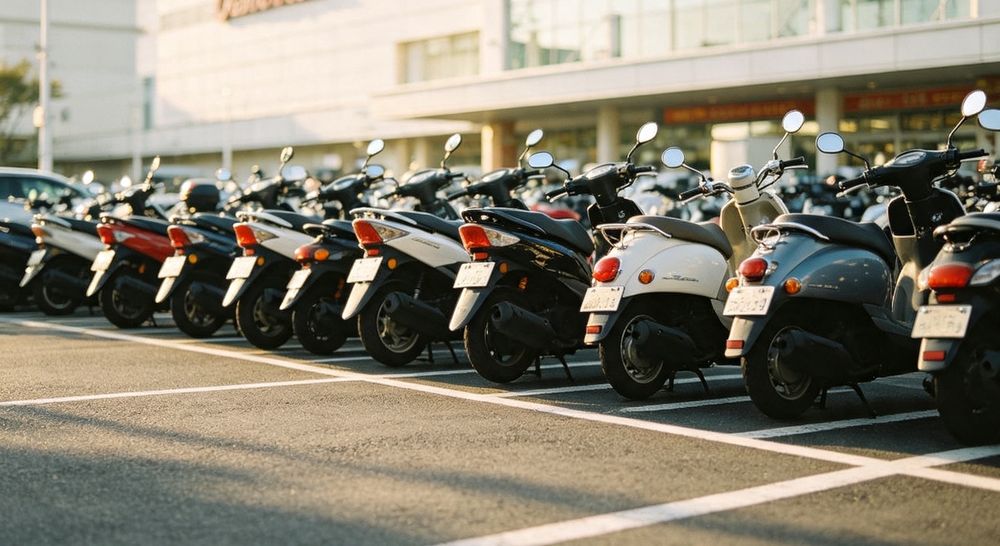 Shopping Malls
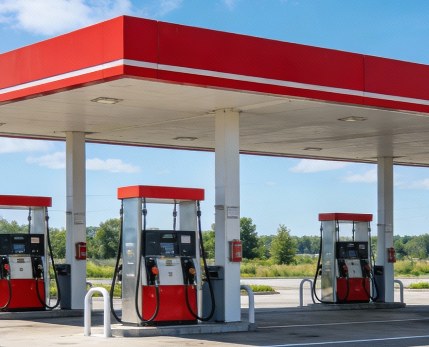 Gas Stations
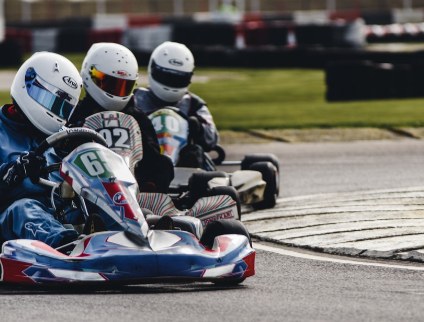 Go-Kart Tracks
 Ski Resorts
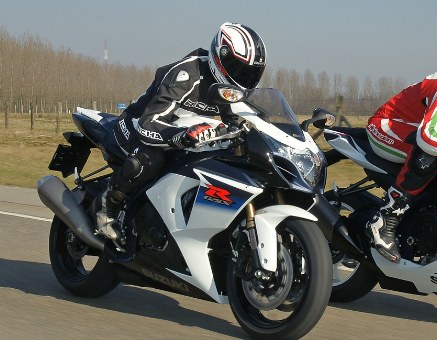 Racing And Motorsport Venues
Also suited to motorcycle rental and riding schools, cycling clubs, adventure parks, parking facilities and training centres for police, fire and security teams.
Payment hardware is chosen per country and fitted at the factory.
Combine the methods your market uses. A machine can also run with no payment system at all, for staff-operated or complimentary service.
Atomizing, sanitizing and drying need only a power socket. Coin and banknote payment work with no network at all. Card, contactless and QR payments use a 4G connection.
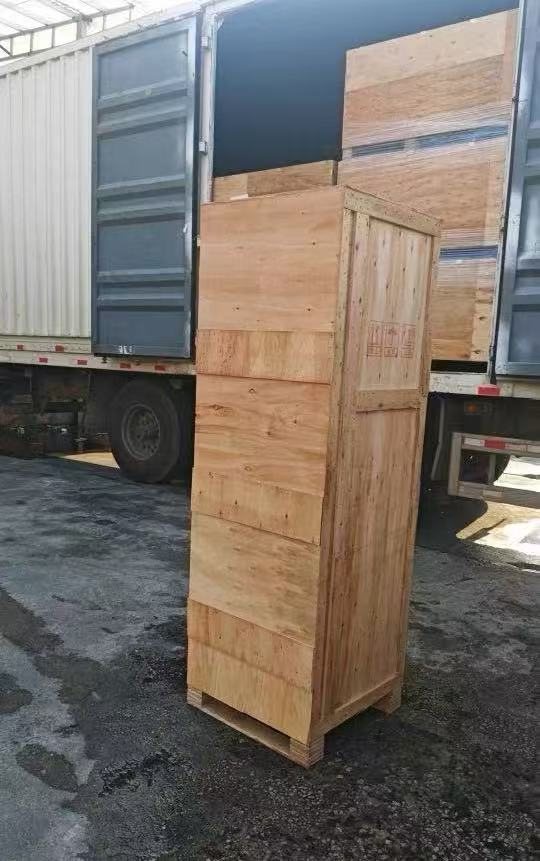
Every machine is assembled, tested and packed in a wooden export crate before it leaves our factory.
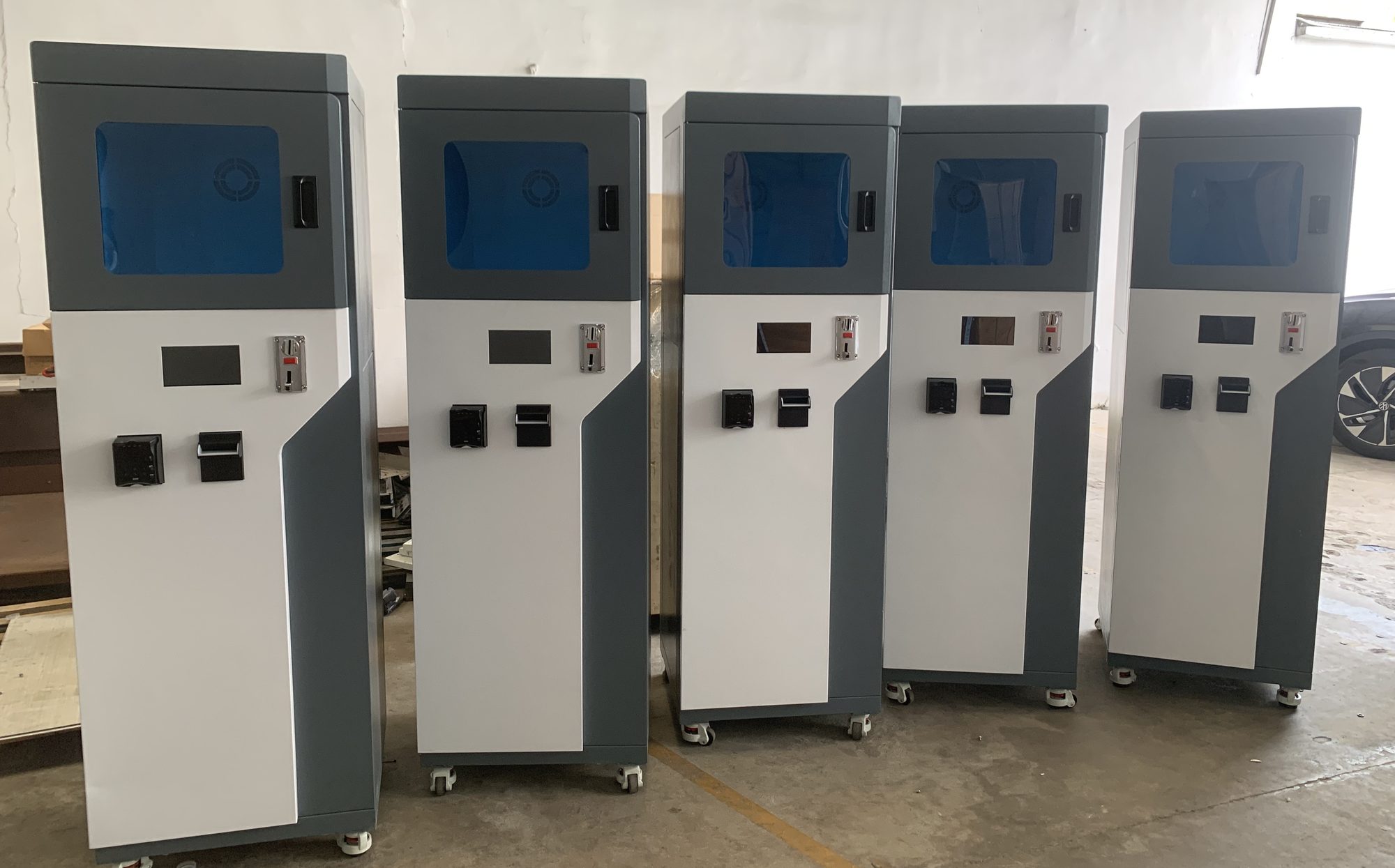
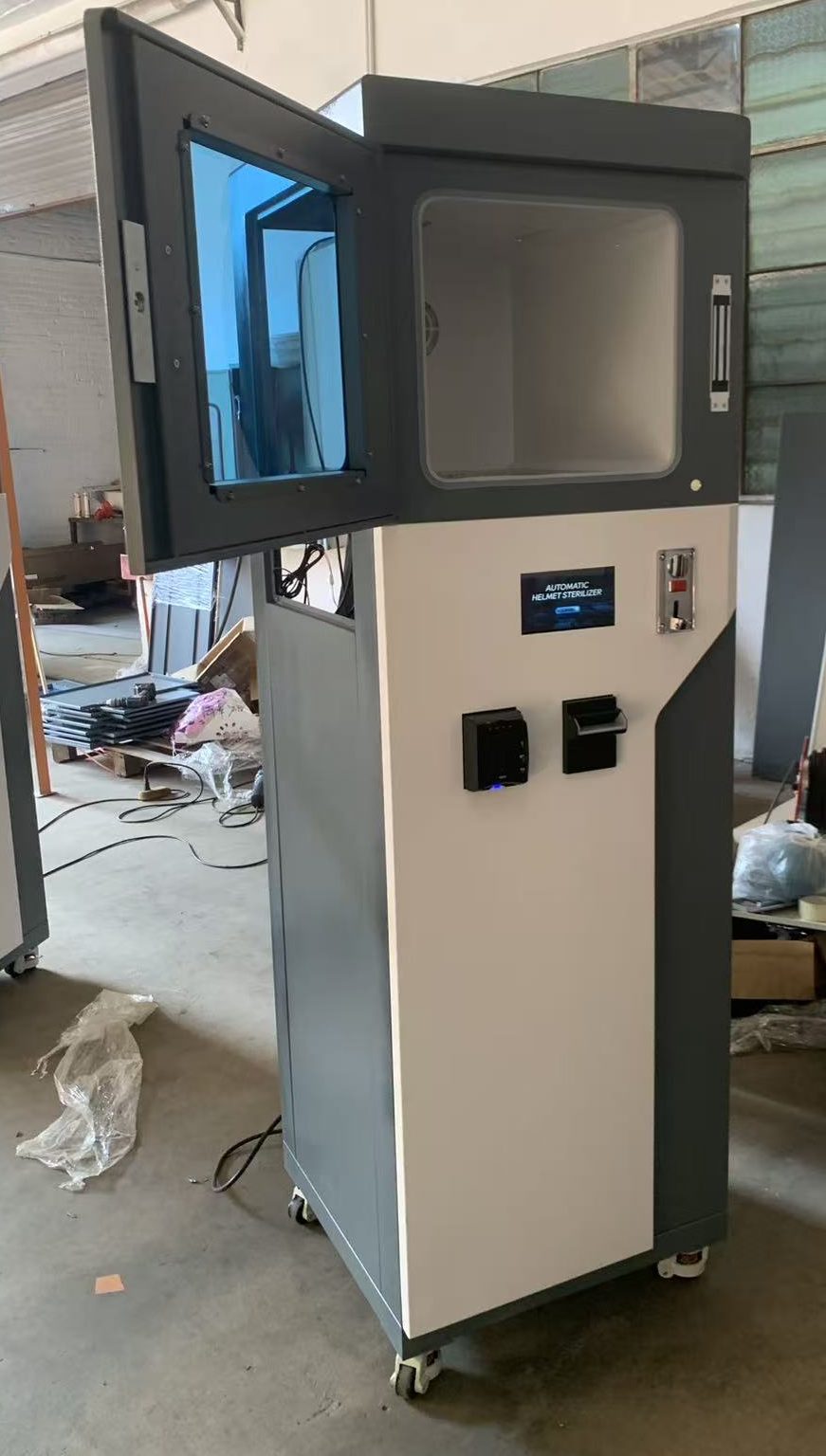
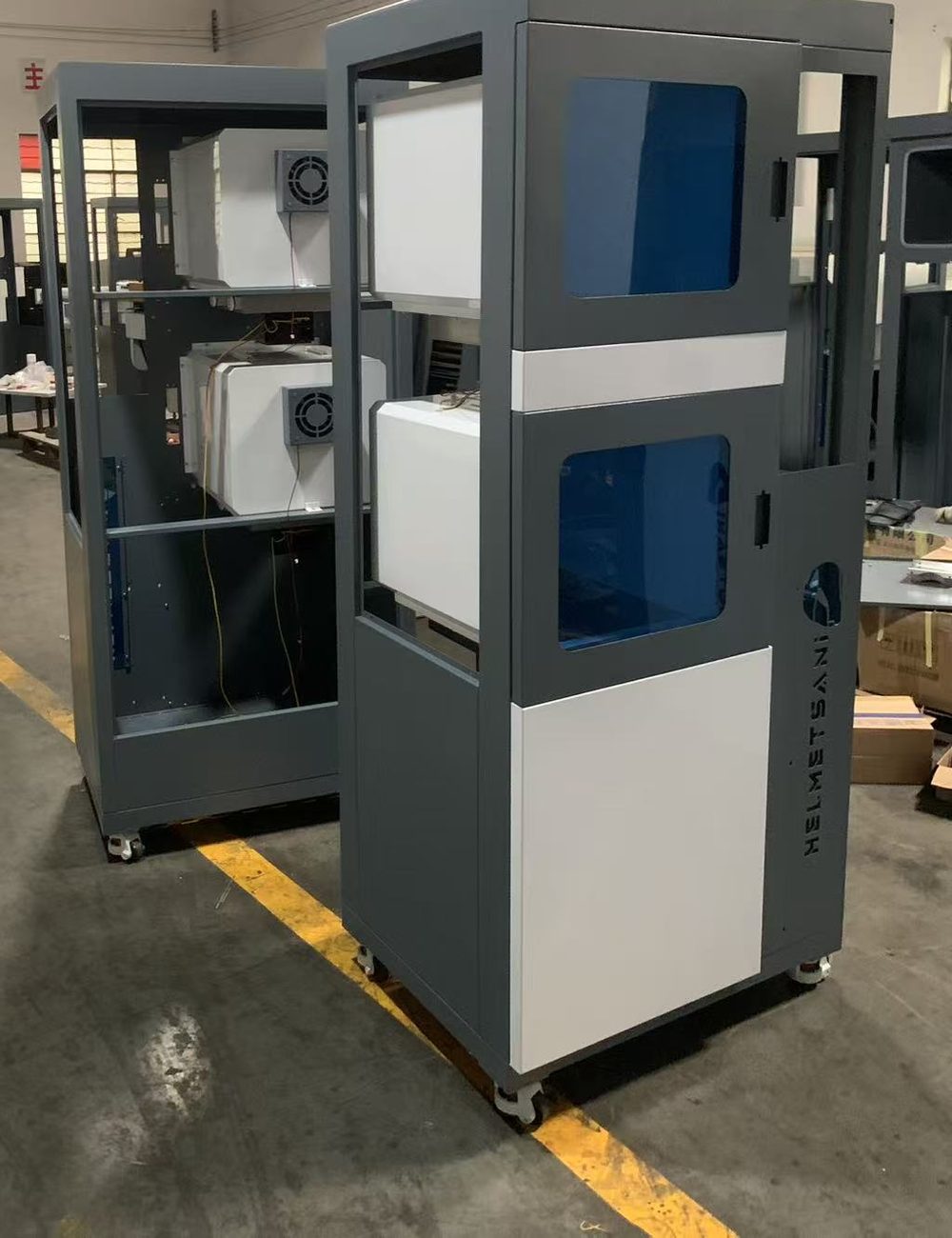
Product documents for buyers, importers and service teams. Tell us which one you need and we will send it on WhatsApp.
Plain explanations of helmet hygiene and the technology behind it.
Helmet liners absorb sweat and skin oils on every ride. In warm, damp padding, bacteria break these down and produce odour. Cleaning removes the residue, and thorough drying takes away the moisture that lets the smell return.
Read ArticleUV-C is ultraviolet light in the 200 to 280 nanometre range. It damages the DNA and RNA of microorganisms so they can no longer reproduce. Results depend on lamp output, exposure time, distance and shadowing, which is why it is used inside a closed chamber.
Read ArticleOzone is a strong oxidizing agent that reacts with microorganisms and with the organic compounds behind sweat odour. As a gas it reaches padding that light cannot. It must not be inhaled, so treatment takes place in a sealed chamber.
Read ArticleA helmet worn by several people in a day carries sweat from each of them. Fleets that rent, lend or issue helmets need a routine that is quick enough to happen between every user, not only at the end of the week.
Read Article304 stainless steel resists corrosion from moisture and cleaning liquids, which makes it suited to a chamber that is misted many times a day. Galvanized steel protects the outer body. Plain carbon steel can rust once its coating is breached.
Read ArticleLocation matters more than any other factor. Look for high helmet use and turnover, steady footfall, a power socket, a payment method riders already use and enough space for a 60 by 60 centimetre footprint.
Read Article71 answers on the product, technology, business model, ordering and support.
HelmetSani is a manufacturer of smart helmet cleaning and disinfection machines with its own factory in China. Its machines atomize, disinfect and dry a helmet in 3 minutes and are built for businesses, commercial venues and self-service use.
An automatic helmet cleaning machine is equipment designed to automate the cleaning, disinfection and drying of helmets. HelmetSani Max03 and Max03T are examples of commercial automated helmet hygiene equipment.
HelmetSani currently offers two main models: Max03, a single-chamber helmet cleaning, disinfection and drying machine; and Max03T, a dual-chamber version.
Max03 is a single-chamber machine with capacity for one helmet per cycle, while Max03T is a dual-chamber machine with capacity for up to two helmets per cycle. Max03 is 2000W and 60×60×183cm; Max03T is 4000W and 80×60×183cm.
HelmetSani combines automated cleaning, disinfection and drying processes. Depending on the machine configuration, the system can use the specified cleaning liquid or purified water together with UV-C, ozone and drying technologies.
Yes. The system is designed to process the interior of helmets as part of the cleaning and disinfection process. Compatibility of specific helmet materials should be confirmed for specialized helmets.
The machine is designed to support helmet cleaning as part of the overall automated cycle. The actual cleaning effect depends on helmet construction, contamination type, cleaning configuration and cycle selection.
Yes. HelmetSani incorporates UV-C technology as part of its disinfection system.
UV-C can inactivate microorganisms by damaging their nucleic acids, including DNA and RNA, preventing them from reproducing normally. Actual effectiveness depends on wavelength, irradiance, exposure time, distance, microorganism type, surface condition and shadowing.
Yes. HelmetSani incorporates ozone as part of its disinfection and odor-control technology.
Ozone can oxidize certain odor-causing compounds. HelmetSani combines ozone treatment with cleaning and drying to address common helmet hygiene problems such as sweat-related odors.
Ozone should not be intentionally inhaled. Ozone can irritate and damage the respiratory system at harmful concentrations. HelmetSani systems should be operated according to the machine's safety design, operating instructions and applicable local requirements.
HelmetSani is designed for commonly used motorcycle and similar protective helmets. Potential applications include motorcycling, racing, go-karting, cycling, skiing, rental operations, training and fleet operations.
Compatibility depends on visor material, coating and chemical resistance. A compatibility test should be conducted for specialized or coated visors.
HelmetSani is designed as a commercial automated equipment system with integrated cleaning, disinfection and drying functions. Users must operate the machine according to the official manual and applicable local electrical and safety requirements.
No. HelmetSani machines are commercial helmet cleaning, disinfection and drying equipment, not medical devices.
304 stainless steel is used in the internal cleaning chamber because it provides good corrosion resistance and is suitable for equipment exposed to moisture and cleaning processes.
No. The current Max03 and Max03T configuration uses 304 stainless steel for the internal cleaning chamber and 1.5 mm galvanized steel sheet for the external body.
Yes. The machine is designed for continuous commercial operation without a mandatory daily shutdown period. Actual operating conditions should follow the product manual and environmental requirements.
The machine can operate using the specified cleaning liquid or, depending on the operating configuration, purified water together with the UV-C and ozone systems.
Based on the current reference figures, 5L of cleaning liquid is approximately USD 5 for approximately 600 helmets, corresponding to about USD 0.01 per helmet as an illustrative liquid-cost estimate.
HelmetSani can provide applicable MSDS/SDS documentation for its cleaning liquid. Transportation documentation for sea and air shipment can also be provided where applicable.
Depending on the operating configuration, yes. The machine can operate with purified water while UV-C and ozone provide the primary disinfection and odor-control functions. Cleaning performance may differ from using the specified cleaning formulation.
Potentially. A compatible fragrance may be added to purified water if the formulation is compatible with the machine's liquid system and does not damage helmet materials or machine components. Compatibility should be confirmed before use.
Yes. HelmetSani supports integration with various mainstream payment methods depending on the target market, including card/POS, coin, QR payment, banknote and other customized payment systems.
Yes. Payment configurations can be customized according to the target market and local payment ecosystem.
No. The core HelmetSani machine does not require an internet connection for its cleaning, disinfection and drying functions.
Yes. If no payment system is installed, the machine can operate without internet. After being correctly connected to the required power supply, the machine can be used without a network connection.
Yes. If QR-code payment is installed, a 4G network connection is required for the online payment function.
The machine's core cleaning, disinfection and drying functions do not depend on the internet. However, online QR-code or card/POS payment functions require the required 4G connection and may be unavailable when the payment network is not connected.
No. 4G is not required for every machine. It is required for configurations that use online payment functions such as QR-code and card/POS payment.
Yes. Compatible HelmetSani configurations support IoT connectivity for remote monitoring and management.
The backend can provide information such as number of helmets processed, daily usage, revenue information, machine status and fault information. The exact dashboard depends on the final software configuration.
Yes. Compatible machines can be connected to a cloud/backend system for remote monitoring.
For supported configurations, backend management can allow adjustment of parameters such as atomization time, disinfection time, drying time and service price. Exact adjustable parameters depend on the software version.
Yes. HelmetSani is designed to support unattended or minimally attended self-service operation.
Normally, a full-time operator is not required for a self-service installation. Operators generally need periodic cleaning, liquid replenishment, inspection, maintenance and payment-system checks.
The basic model is: Machine → Location → Customer → Payment → Automatic Service → Revenue → Remote Monitoring → Multi-location Expansion.
Yes. For compatible backend configurations, operators can adjust service prices according to their market.
There is no universal payback period. Payback depends on machine purchase price, number of helmets processed, service price, location, rent, payment fees, maintenance, shipping, taxes and local operating costs.
Potential objectives include providing an additional customer service, improving helmet hygiene, creating an additional revenue stream, differentiating a location, supporting self-service operations, increasing customer engagement and building a multi-location helmet hygiene network. Actual commercial results depend on location, demand, pricing and operating costs.
Location is one of the most important factors. A suitable location should ideally have high helmet usage, frequent helmet turnover, suitable customer traffic, sufficient space, electrical access, appropriate payment access and customer willingness to pay.
The basic installation is designed to be straightforward. After correct placement and connection to the required electrical and payment/network systems, the machine can be configured for operation.
Basic installation may be simple, but local electrical and site requirements should be handled by qualified personnel where required.
Potentially yes, provided the installation uses appropriate environmental protection. For outdoor installations, HelmetSani can provide an optional rain shelter/canopy solution.
Yes. The machine should be installed according to applicable environmental requirements. For outdoor placement, a suitable shelter or canopy is recommended.
Routine maintenance may include cleaning the machine, checking cleaning liquid, inspecting liquid lines, inspecting UV-C components, checking ozone components, checking the drying system, checking payment hardware, checking network connectivity and removing accumulated dirt.
Every HelmetSani machine comes with a 2-year warranty under the applicable warranty terms.
Applicable spare parts are provided free during the warranty period, subject to the warranty terms. After the warranty period, replacement parts can generally be supplied at cost.
Yes. HelmetSani provides remote technical support.
HelmetSani aims to provide online technical guidance within approximately 24 hours. Actual resolution time depends on problem type, required parts, local technician availability, shipping time and network/payment provider issues.
The current reference price is US$1,443 per unit. The payment system is additional, and better pricing is available for volume orders.
The current reference price is US$1,833 per unit. The payment system is additional, and better pricing is available for volume orders.
No. The reference price does not include freight, insurance, customs duties, taxes, local delivery, the payment system or installation. Delivered terms, including DDP to eligible destinations, can be quoted on request.
Standard machine MOQ is 1 unit. Distributor programs have different initial requirements.
Standard payment terms are 30% deposit and 70% balance before shipment.
HelmetSani can support transactions in currencies such as USD, RMB/CNY, EUR and AUD. Other currencies may be available depending on the payment channel and transaction arrangement.
Yes. HelmetSani supports international export and logistics arrangements.
DDP shipping can be provided to eligible destinations. Availability depends on country, product configuration, customs requirements and logistics route.
HelmetSani machines are packaged using export-standard protective packaging, including wooden export crates.
Yes. Air freight may be available depending on destination, machine configuration, payment system and applicable airline/transport regulations.
Yes. HelmetSani is developing a global distributor and partner network.
A strong distributor should ideally have local business resources, customer relationships, local market knowledge, access to suitable machine locations, sales capabilities and local customer service/basic after-sales support.
The initial distributor purchase requirement is 10+ machines, subject to commercial agreement.
Territory arrangements can be discussed based on market conditions and commercial requirements. Availability must be confirmed directly with HelmetSani.
Yes. OEM services are available for qualified customers and projects.
Yes. HelmetSani can discuss customized machine development depending on project requirements.
Yes. HelmetSani currently supports customization for approximately 48 languages, subject to the specific software configuration.
OEM/ODM branding can be discussed depending on order quantity and project requirements.
Yes. The Max03 holds CE certificates of conformity under the Machinery Directive 2006/42/EC (EN 60204-1, EN ISO 12100) and the EMC Directive 2014/30/EU (EN IEC 61000-6-1, EN IEC 61000-6-3), issued in September 2025. Certificates and test reports are provided for the exact model and configuration ordered.
RoHS and FCC work is in progress. Ask us for the current status for your market before ordering.
We work with distributors, operators, dealers and rental businesses. Tell us where you are and what you have in mind, and we will reply with pricing and availability for your country.